Think about the last time you made a poor choice. Maybe it was the tone you took with a teammate or an AI-drafted memo that you sent without checking. Either way, you likely made that choice because of the environment you were in. You didn’t have time, space, or permission to slow down and think critically.
The frequency of situations like this aren’t changing, but they’re landing harder as AI touches more of what gets produced and the pressure to perform continues to climb. What would it take to have good judgment on hand at that moment and the organizational green light to “think slow” instead of just shipping the output faster?
Now some companies are putting a number on that permission by investing millions in employee rewards that go to individuals who show human skills like adaptability and sound judgment. One professional-services firm is budgeting $100 million toward such an endeavor, incentivizing individuals to earn up to $500 and teams up to $25,000 for judgment calls that make big differences to the business.
Ridding the workplace of workslop
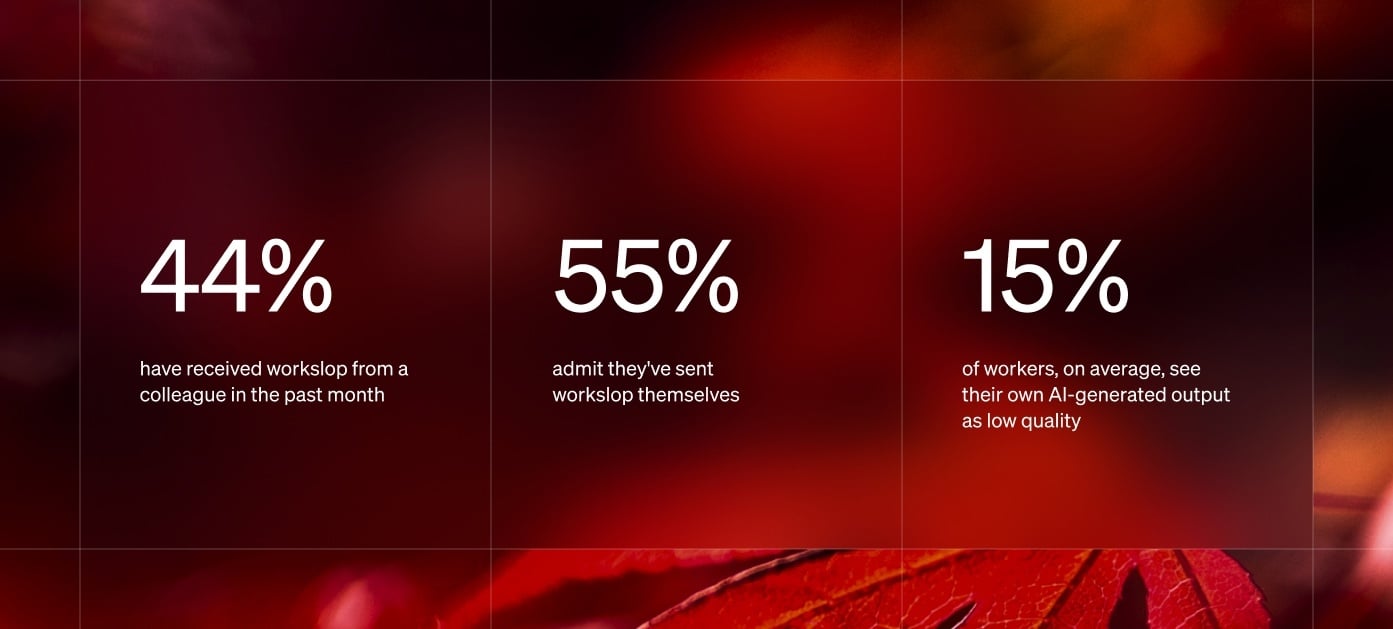
Part of the push to reward more human skills is because of the prevalence of workslop, or AI-generated work that looks polished but isn’t. An estimated 40% of employees have received workslop, and each incident requires about two hours of additional work for the recipient.
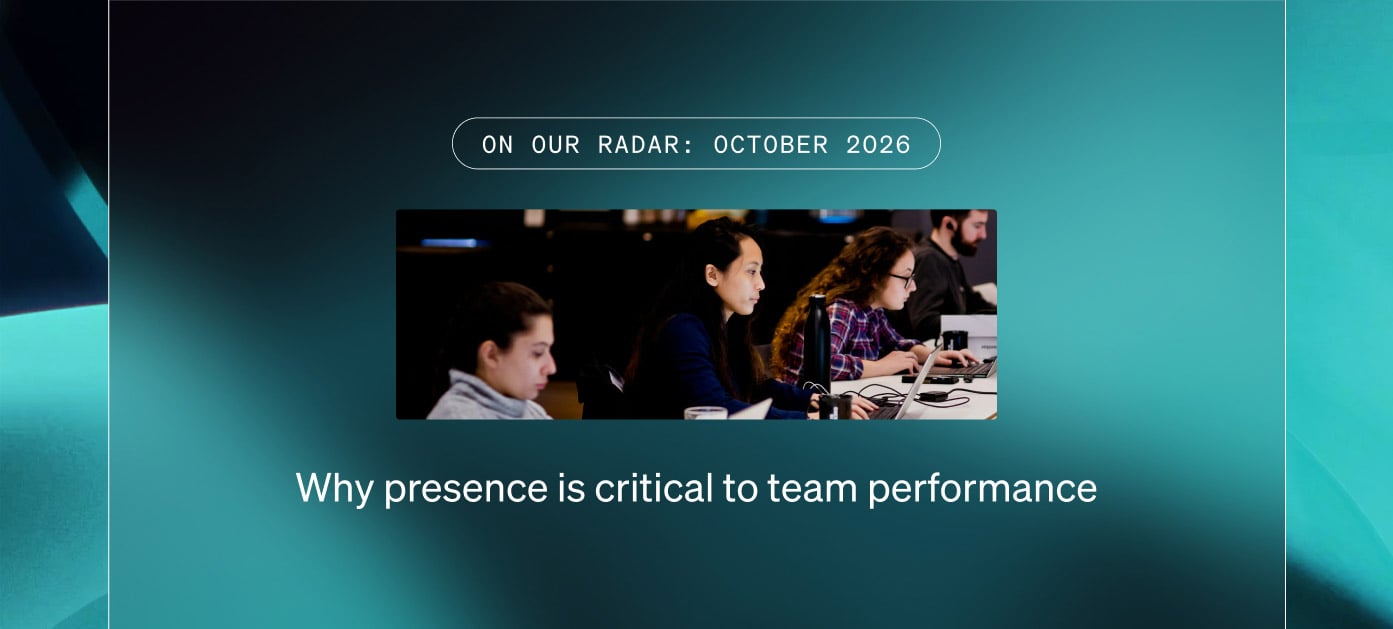
But workslop isn’t the only damage that can happen when too few human skills are used in the workplace. A new study from BetterUp Labs and Stanford Social Media Lab shows AI use can affect teams, too. Two-thirds of employees say AI has raised the quality of their team’s work, even as trust and coordination between teammates fall by more than 20%.
The reason for this drop is displacement: One in five desk workers now say they'd rather ask AI a question than a colleague, and nearly half say their teammates come to them less often. Oftentimes, workers don’t want to bother someone or can get an answer faster from AI. But when this displacement happens, team effectiveness falls and retention risks rise. Employees who feel displaced are 3.3 times less likely to want to work with the person who displaced them again. For a 10,000-person company, AI-driven displacement turnover translates into approximately $27 million a year.
Why culture decides whether AI helps or hurts your team
The companies rewarding human skills are recognizing that judgment and connection move in tandem. Employees who turn to a teammate over AI are more than seven times as likely to report strong team coordination, and nearly 10 times as likely to report strong trust, than employees who default to AI.
Moreover, AI proficiency and usage alone explain less than 30% of who actually produces strong AI-assisted work. The rest comes down to mindset and trust — the same human skills these reward programs are trying to protect.
A bonus may incentivize judgment. But it can’t rebuild the trust between colleagues that made people want to ask each other a question in the first place.
The Human Transformation Platform
Process doesn't change your business. People do. Our platform removes the guesswork from developing your people at scale and delivers growth that's proven, predictable, and precise.
The Human Transformation Platform
Process doesn't change your business. People do. Our platform removes the guesswork from developing your people at scale and delivers growth that's proven, predictable, and precise.
.jpg)